

Why I Collect Sports Magazines
Print can't die if we bag and board it.

Like most sports-obsessed kids growing up in the ’90s, I collected trading cards, played Madden and NBA Jam, and spent my summers outside, pretending to be the players I watched on SportsCenter or NBA Inside Stuff.
My parents, sensing an opportunity to Trojan horse more reading into my life, started buying magazine subscriptions as birthday gifts. First S.I. for Kids, then the big-boy Sports Illustrated, and eventually the cool-guy ESPN The Magazine.
Their plan worked. Every week from the time I was probably nine years old, I read at least one sports magazine cover to cover, stopping only to marvel at the rich color photographs that — as far as I knew — only existed in those publications. Opening the mailbox on SI delivery day was a rush, knowing I’d spend hours poring over everything inside, from the “Faces in the Crowd” blurbs to the in-depth Gary Smith profile. I didn’t know it at the time, but magazines were just as important to my youth reading diet as textbooks and novels.
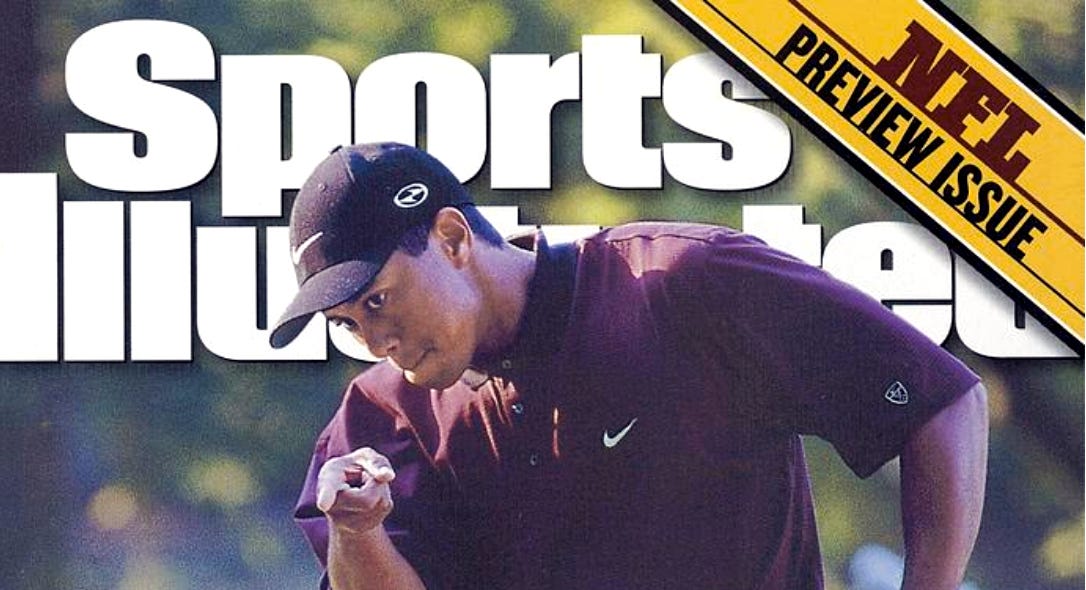
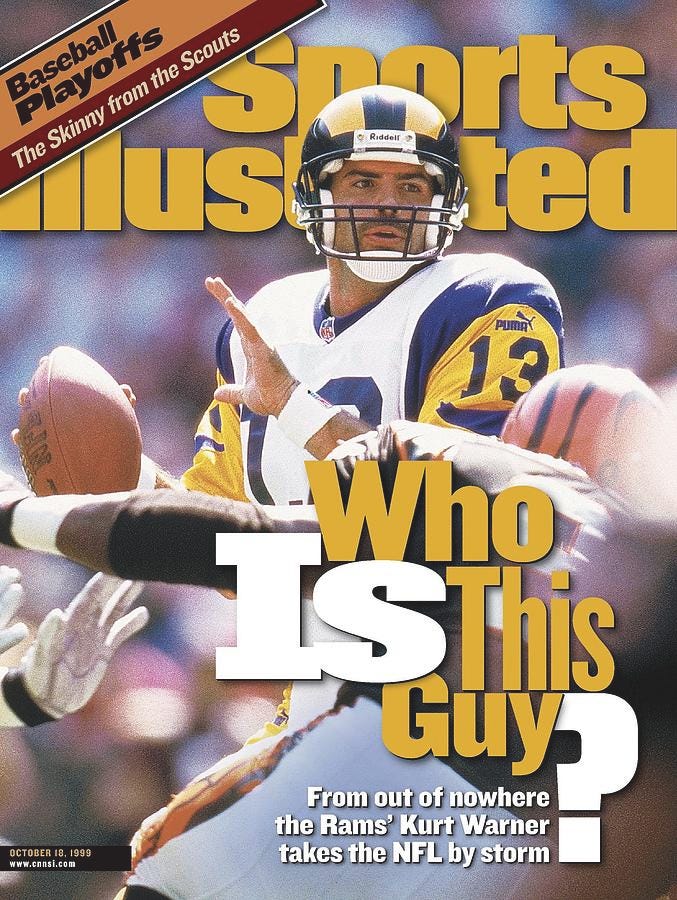
The covers from that era — even the bad ones — are seared into my mind. Tiger Woods’ PGA Championship playoff point, days after we watched the drama unfold on CBS. Prime Shaquille O’Neal barrelling toward the rim, Maverick grasps no match for his cartoon superhero arms. Japanese rookie sensation Ichiro Suzuki bursting out of the batter’s box and onto the national stage, framed stunningly by the flag of his home country. Honestly, I could probably tell you what the weather was the day this Sammy Sosa cover arrived, swinging out of his shoes late in a 20-homer June.
Naturally, I saved just about all of them. Years of subscription issues and grocery store purchases piled into plastic totes, unlikely to be reread but too important to throw away.
You know what happened next: The internet siphoned our attention away from paper media. Hefty weekly mags retreated into thin monthly rags filled mostly with ads. Name-brand writers found TV and podcasting easier (and more lucrative). By the 2010s, the best sports profiles and longform articles lived in digital spaces like Grantland and SB Nation, and Wright Thompson’s pieces for The Mag were available for free on ESPN.com. Magazines were no longer an essential part of the sports fan’s media diet.
For the next decade I clicked and flicked without realizing how much I missed the thrill of opening a fresh SLAM or Sports Illustrated in their respective heydays. Print was dead, buried in storage totes in my parents’ basement (before being hastily exhumed and tossed out when they moved houses).
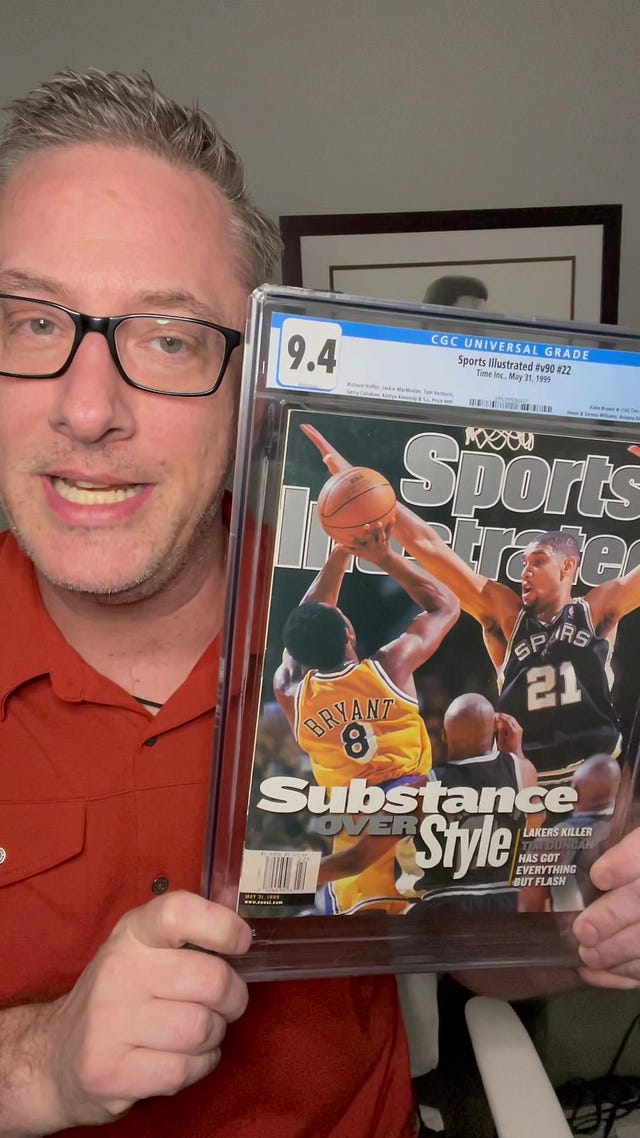
During one mindless scroll in 2022, I saw a video of an enthusiastic man named Jim showing off a graded Sports Illustrated — a Tim Duncan cover I recognized. This was a revelation. The same mags I was so excited to pull from the mailbox and read for hours as a kid are still out there, waiting to be rediscovered, preserved, and appreciated all over again.
 Tiktok failed to load.
Enable 3rd party cookies or use another browser
So I started hunting down my favorites, and in the process learned about some amazing issues from before my time and outside my knowledge base. Jackie Robinson smiling on the cover of TIME in 1947, months after breaking the major league color barrier. A title-stripped and banned-from-boxing Muhammad Ali controversially depicted as a martyr by Esquire in 1968. Teenage Lewis Hamilton — nearly a decade before his Formula 1 debut — stoic on the cover of AutoWeek in 1998.
Holding these issues in your hands, it becomes clear: Cheap paper booklets designed to be discarded are now historical artifacts worth preserving.
Perhaps more than any other medium, magazines tell the story of American sports over the last 80 years. Dynasties rose, reigned, fell, and false-started on their covers. Stars were born and busts were molded by their declarations of greatness. Sports mags documented tragedies, exposed scandals, and captured triumphs so iconic you probably already knew what cover that was before clicking the link.
This is why I’ve been pulled into collecting sports magazines. Preserving the most significant covers is just as gratifying as stumbling upon a less valuable issue I remember from childhood. Both endeavors deliver the same thrill I had opening the mailbox all those years ago.
It’s nostalgia for a ’90s childhood, sure. But as an adult in a world where the weekly sports publication has been replaced by a fire hose of rage-bait takes, there’s a deeper appreciation for the historical value and cultural significance of magazines created by professional writers, editors, fact-checkers, designers, and photographers.
And not for nothing, they look really cool.
If you had a similar experience with magazines, I think you’ll like it here.
My goal with this post is not to navel-gaze, but to establish credibility as an actual magazine enthusiast. I’m not here to hype up my holdings or get rich off flips.
This is about connecting with other magazine collectors, creating a hub for resources and discussion, and documenting happenings in our corner of the collecting world. We want to help newbies and old heads alike make the most of their hobby.
If you share this love for sports magazines, or if you just want to learn more about a new(ish) category in collecting, subscribe for free below. You’ll get a newsletter roundup in your inbox each week, a link to download our Michael Jordan Magazine Collector’s Checklist, and access to occasional single-topic deep dive posts.
If you have tips or ideas for what we should cover, feel free to message me on Instagram or send me an email at sportsmagcollector@gmail.com. Thanks for reading.