Magazine Collecting Glossary of Terms
Welcome to your go-to glossary for the terms, jargon, and shorthand you’ll encounter here and throughout the world of magazine collecting.
Don’t see a term you’re looking for? Send us a message and we’ll be sure to add it to the list!
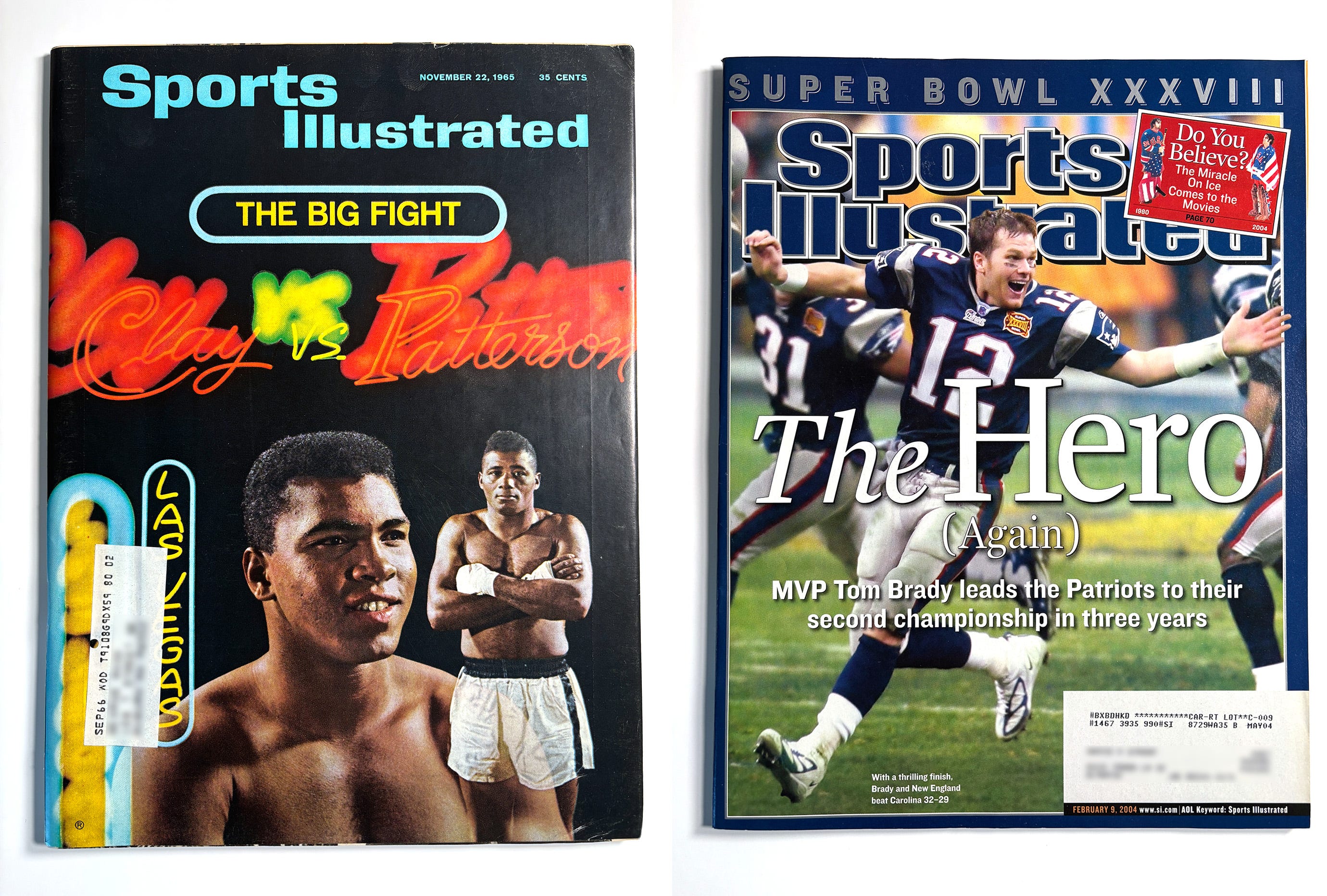
Address label
The mailing address label (usually a sticker or, on older issues, a glued piece of paper) affixed to the front or back cover of a subscriber’s magazine. These can sometimes be cleanly removed to improve an issue’s visual appeal. Grading companies will note evidence of label removal and categorize such issues as subscription editions.
Some publications (including Sports Illustrated beginning in the mid-1990s) printed address labels directly onto the cover. These are called “white box” address labels.
Bag and board
Specially designed cardboard backing boards and plastic bags used to storing magazines. Think of the bag and board combo as the magazine equivalent of a trading card penny sleeve.
When storing issues, the glossy side of the backer board should touch the back cover of the magazine.
CGC
Certified Guaranty Company, a grading company with a stronghold in the comic book space. CGC has been grading and encapsulating magazines since 2004.
Cleaning
Typically refers to the “dry” cleaning methods used to remove dirt and soiling from magazines covers.
Cleaning techniques that use solvents, chemicals, water, or light therapy can lead to “Restored” classifications by the grading companies, which diminishes a magazine’s desirability among collectors.
Cover flap
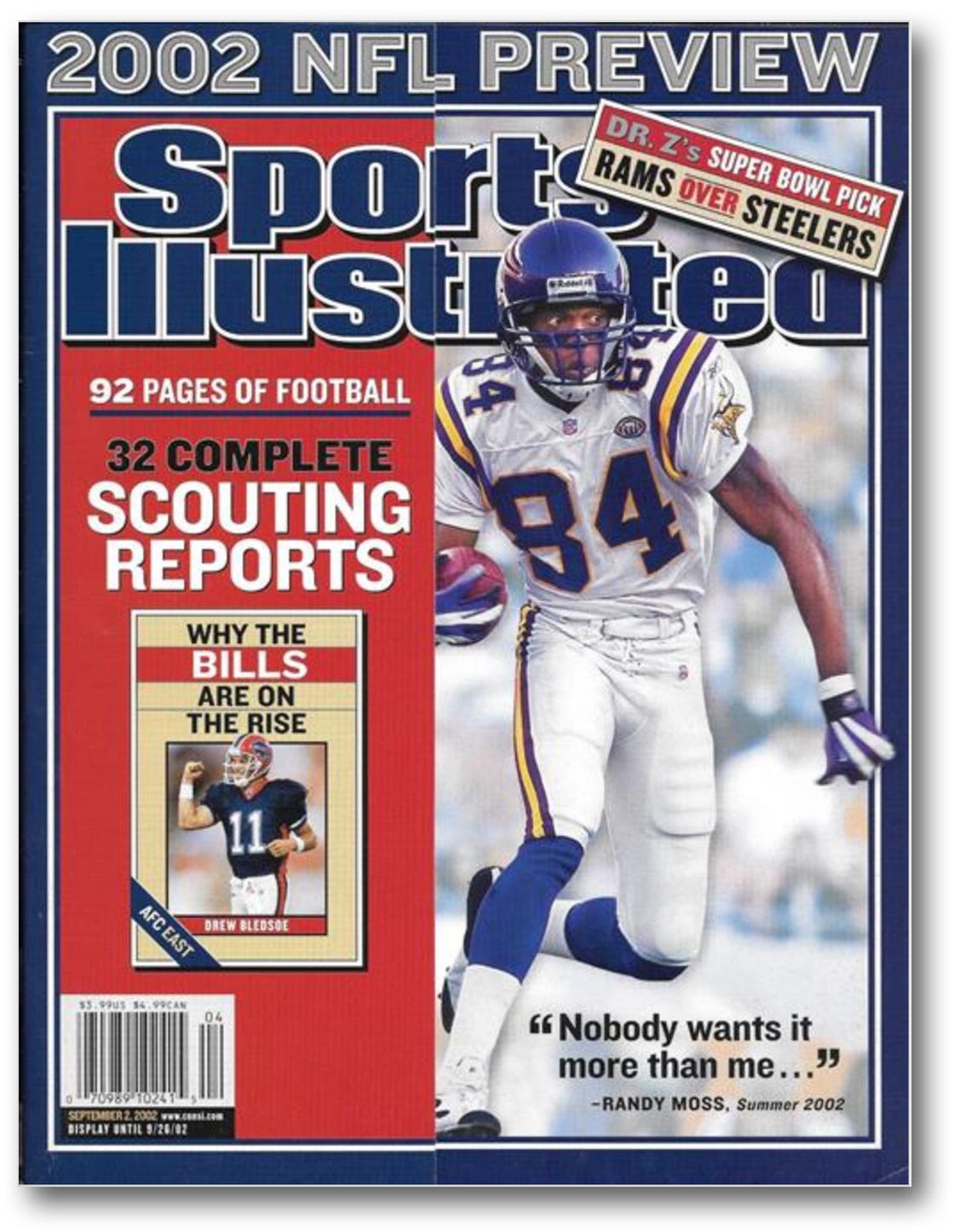
A half-size page folded over the front cover of an issue, usually to serve as a variant or to promote the content of the issue without cluttering the cover image.
Crossover grade
Both major magazine grading companies (CGC and PSA) offer “crossover” services, where customers submit magazines previously graded by another company for removal from the existing slab and grading by the new company.
As part of these services, both companies have agreed to send the previous labels to the other for removal from that company’s population report.
Finger bend
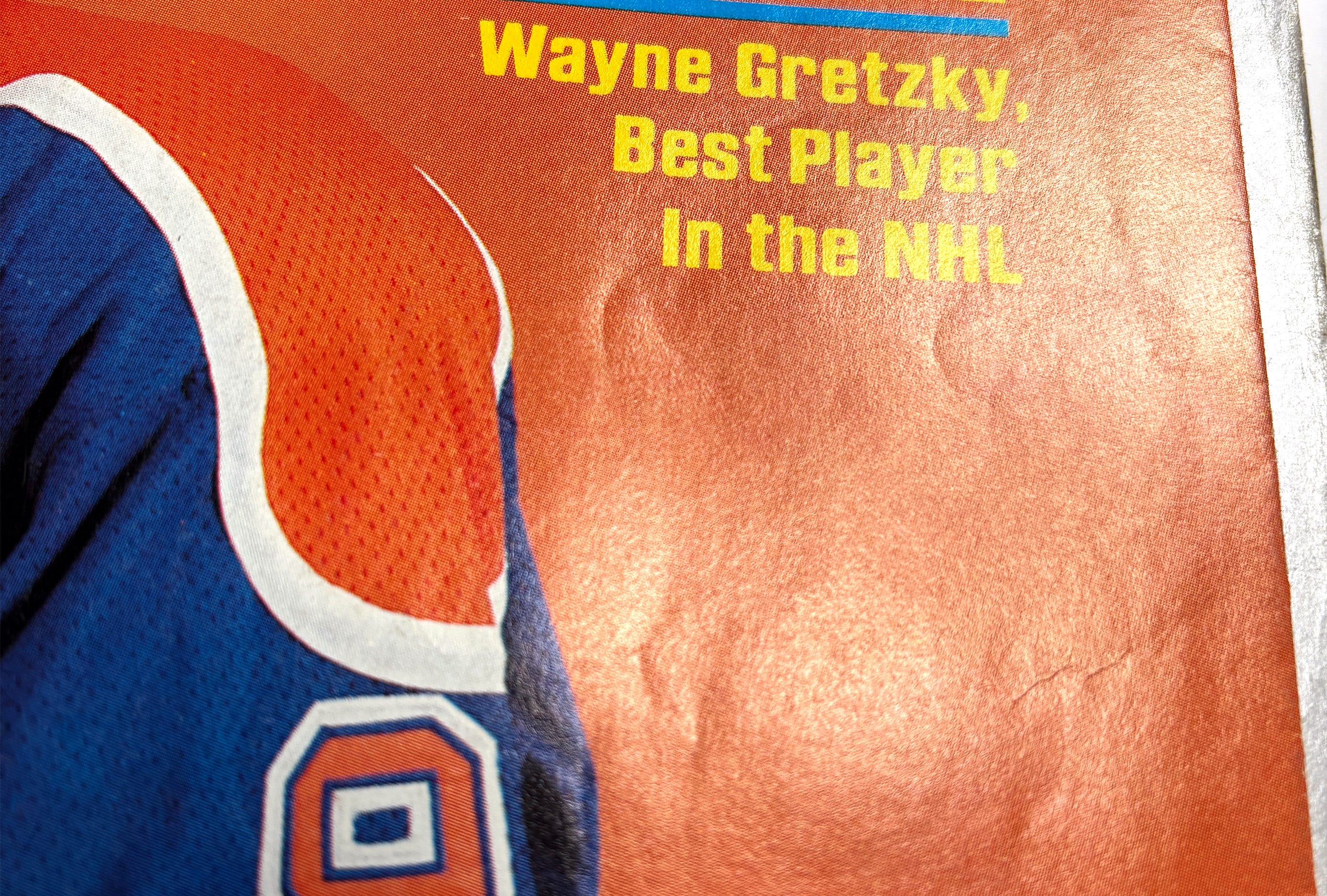
Small indentation caused by the fingertips when a magazine is opened and held. Finger bends can usually be removed with heat pressing. If they “break color” — exposing the white paper fibers beneath the ink — they are classified by the grading companies as more severe “finger creases”.
First cover
Generally refers to a subject’s first appearance on the cover of a specific publication. May include qualifiers such as “first solo cover” or “first pro cover”.
In some cases where the athlete in question appears in an inset or is otherwise not the main focus of the cover, a subsequent cover may be deemed by collectors as the athlete’s “first”. An extreme example of this is Stephen Curry’s appearance in the top right hand corner of Sports Illustrated’s 2008 March Madness preview collage. The May 13th, 2013 issue is considered by collectors as his first SI cover.
Sellers may sometimes abbreviate this as “FC” in listing titles.

Gatefold
Typically an oversized front cover, a gatefold is folded inward and opened to reveal either a larger photo or (in more desperate times for the print industry) an advertisement.
The crease caused by a gatefold creates increased potential for ink chipping and color-breaking ticks.
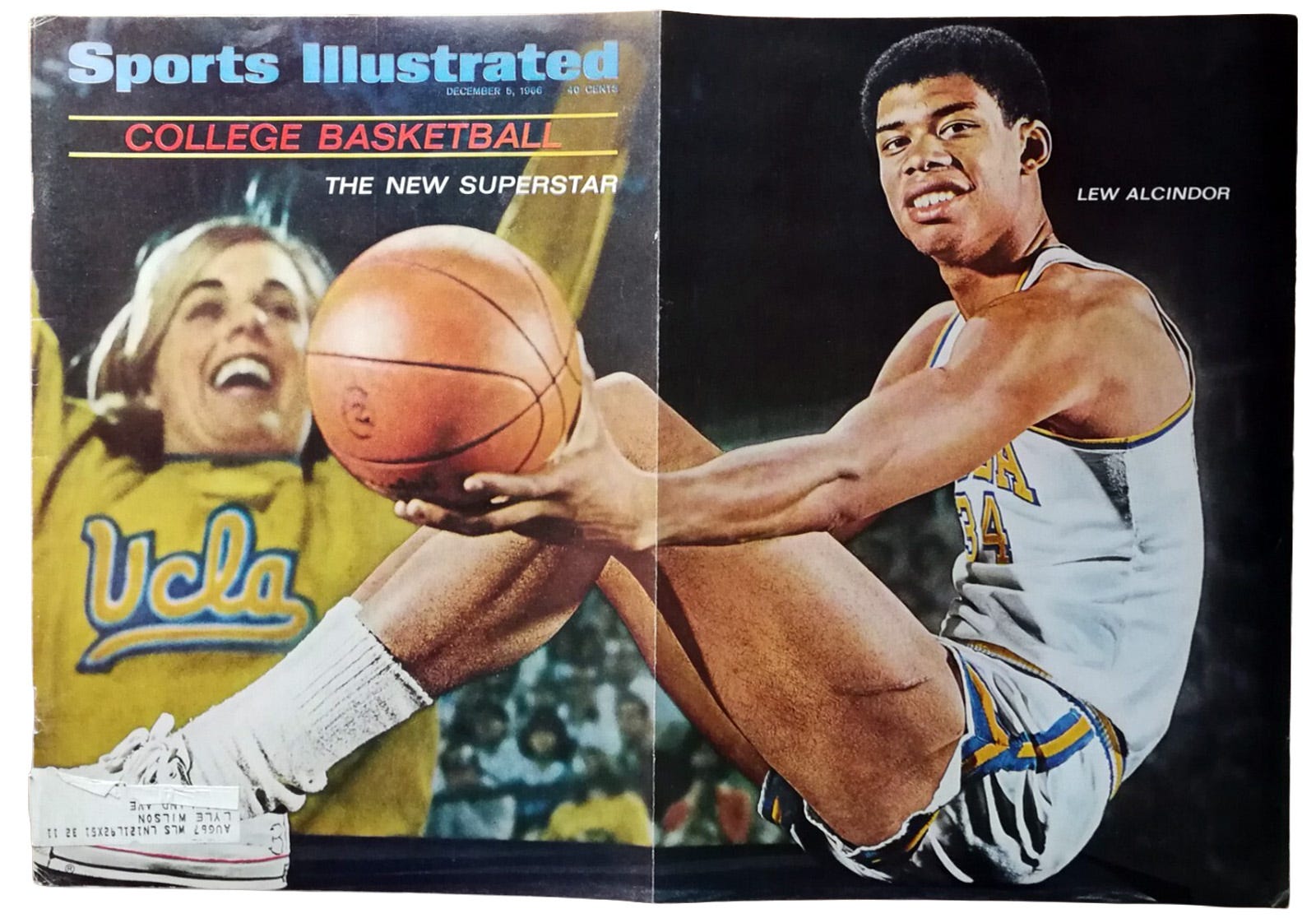
“Label removed”
Term often included in listings or on graded slabs to indicate the issue’s subscription address label has been removed, to avoid confusion with newsstand issues. Sellers may sometimes abbreviate this as “LR” in the title.
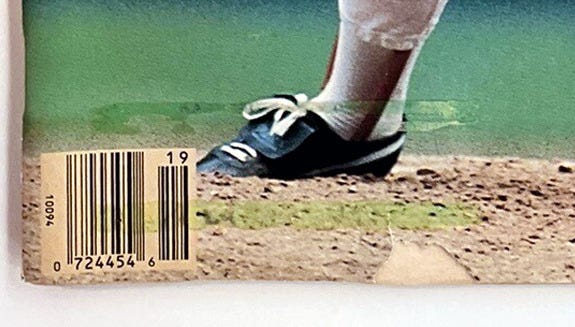
Newsstand issue
An issue originally sold at a bookstore, airport, newsstand, etc. Newsstand issues have no address labels attached or printed. Preferred by collectors due to their rarity and lack of personalization.
“No label”
Seemingly used to describe both newsstand issues and subscription copies that have had their address labels removed. If you see “no label” in the title of an eBay listing, review the photos carefully or ask the seller to clarify which type of issue it is.
Pressing
Through a combination of moisture, pressure, and low heat, some non-color-breaking defects and imperfections can be removed from a magazine using a heat press machine — like the ones used to imprint graphics on t-shirts. Pressing can improve a magazine’s visual appeal and help increase its potential grade.
Both CGC and PSA offer pressing services as an add-on prior to grading, however most collectors prefer to press their own issues or use a trusted third-party presser.
PSA
Professional Sports Authenticator, a grading company known primarily for sports cards, TCG, and tickets. PSA began offering grading and authentication services for comic books and magazines in 2025.
Slab
A reference to the plastic cases grading companies use to encapsulate magazines (or comic books, trading cards, etc.) after grading. “Cracking a slab” is when a collector disassembles an encapsulated magazine, usually with the intention to clean, press, and resubmit it for a new grade.
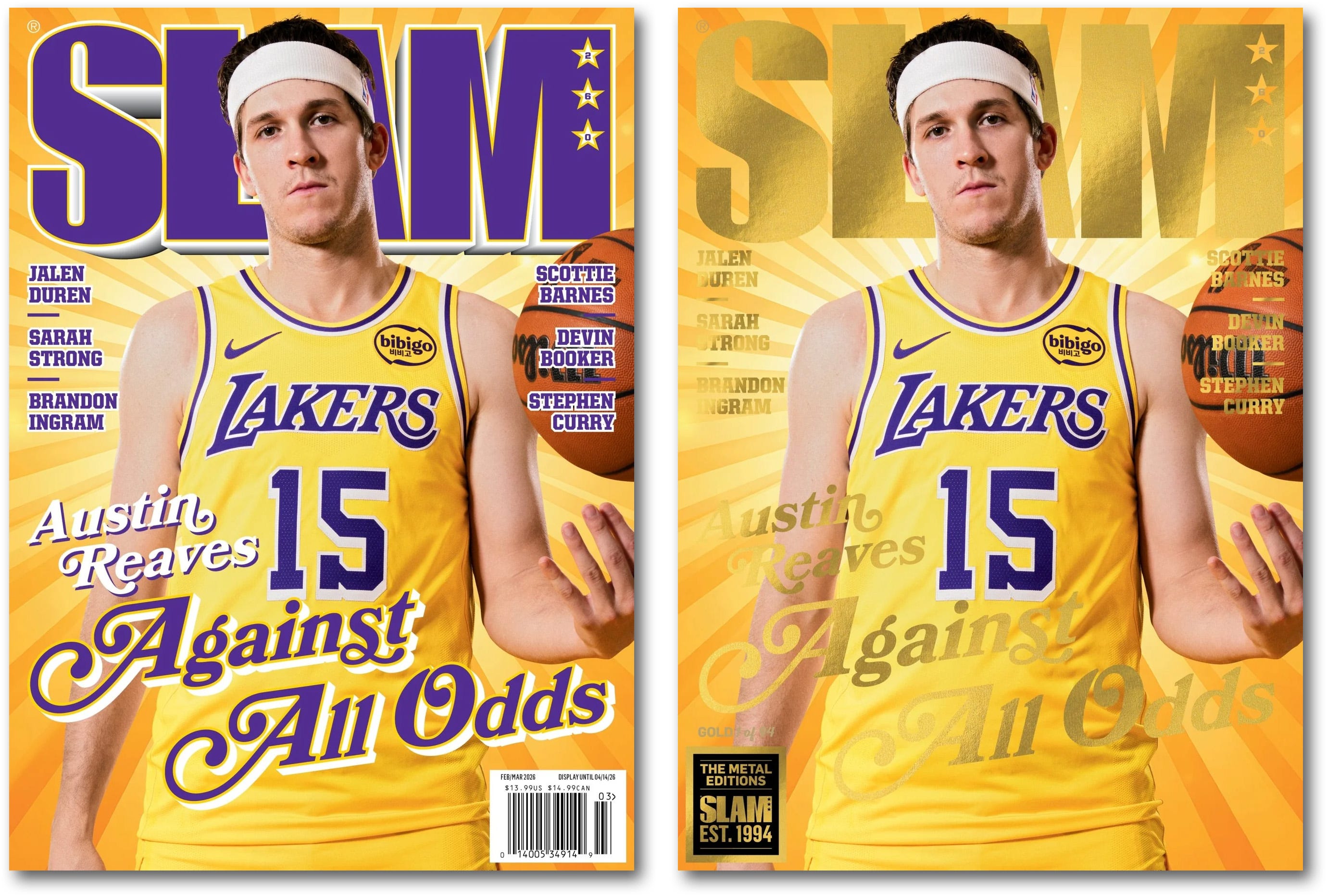
SLAM metal editions
The basketball magazine SLAM offers serially numbered metal edition variants of each new issue.
Gold Metal editions are limited to 94 copies (an homage to SLAM’s 1994 founding) and frequently sell out.
Orange Metal editions are available for purchase in any quantity for a limited time, after which no additional Orange Metal copies of that issue are created.
Spine
The edge of a magazine where the pages are bound together. The two most common styles of magazine binding are saddle-stitched (stapled pages) and perfect-bound (glued pages creating a square spine edge).
Spine tick
Stress mark or crease along a magazine’s spine, typically caused by handling or bending. Moderate spine ticks can be reduced through heat pressing, but severe ticks that “break color” — exposing the white paper fibers beneath the ink — are permanent.
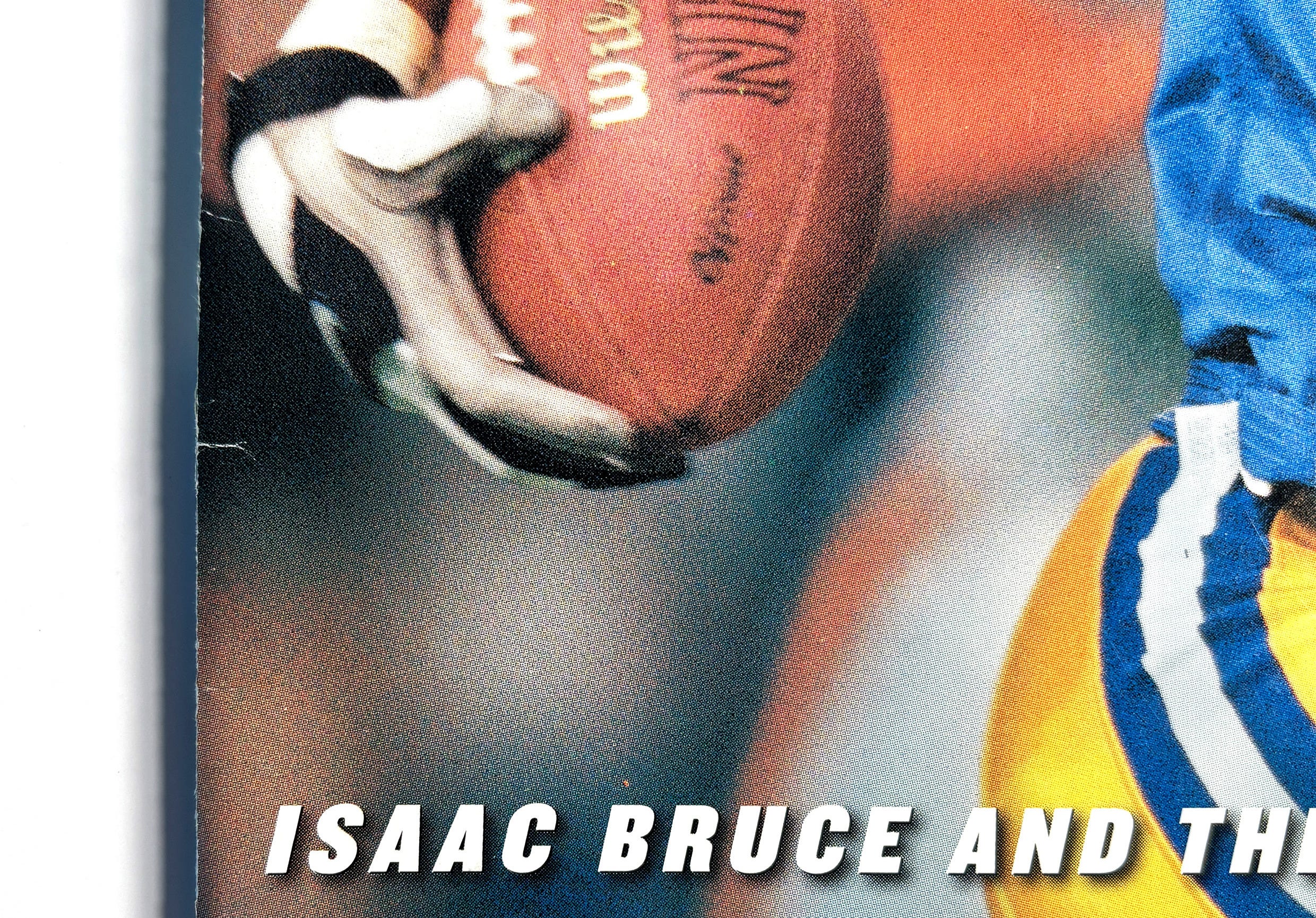
Sports Illustrated Presents (or SI Presents)
Unlike regular weekly and monthly issues, SI Presents issues are focused on single topics or events — usually championship commemorative editions. SI Presents issues are not sent to subscribers, but are available for purchase online and regionally on newsstands.
Subscription issue
An issue delivered to a mailbox with a personalized address label attached or printed on the cover. Most magazine publications — including Sports Illustrated — had significantly more subscribers than newsstand sales, making subscription issues far more common.
Variant cover
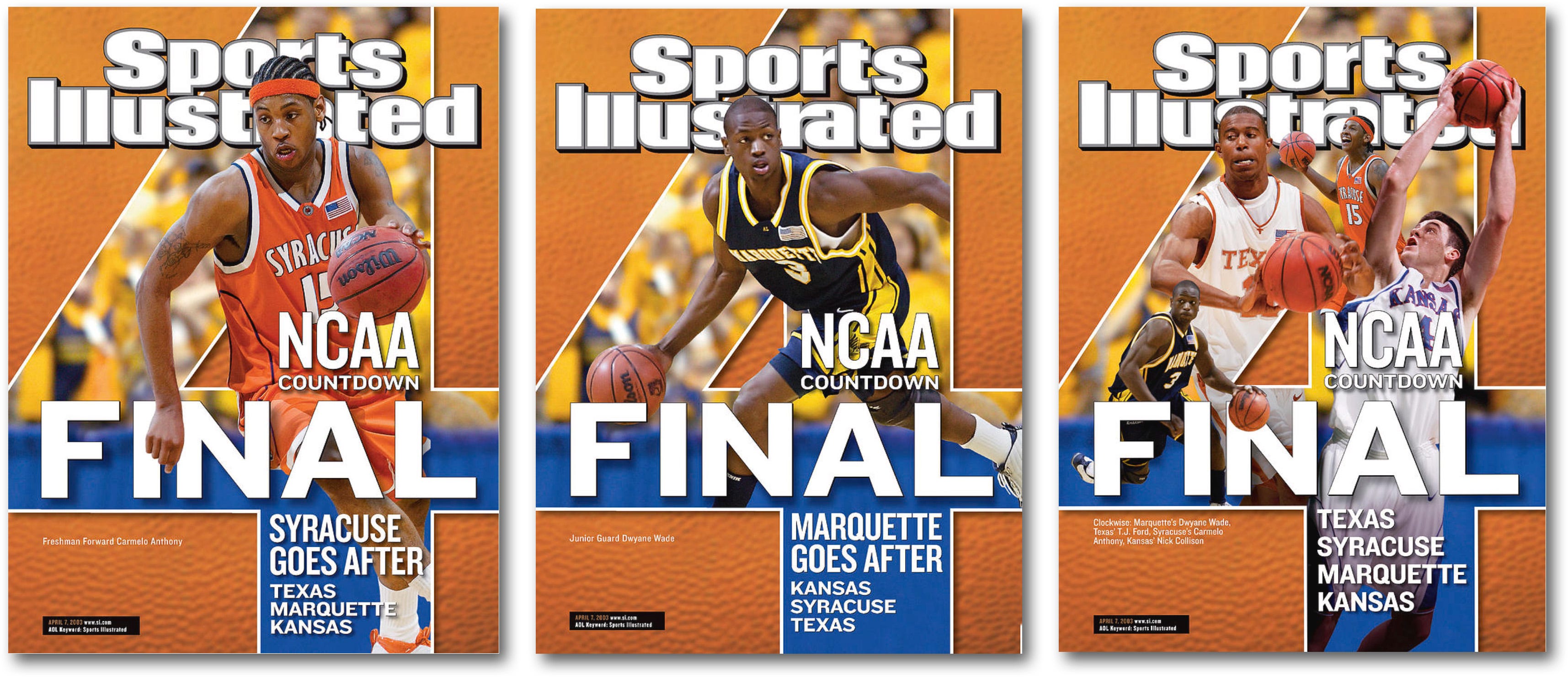
Alternate cover design produced for the same issue of a magazine. For sports magazines, this typically means different athletes are featured as a marketing strategy targeting specific geographic regions or fan bases.
Because distribution can vary by region and circulation size, some variant covers may be significantly rarer than others.